

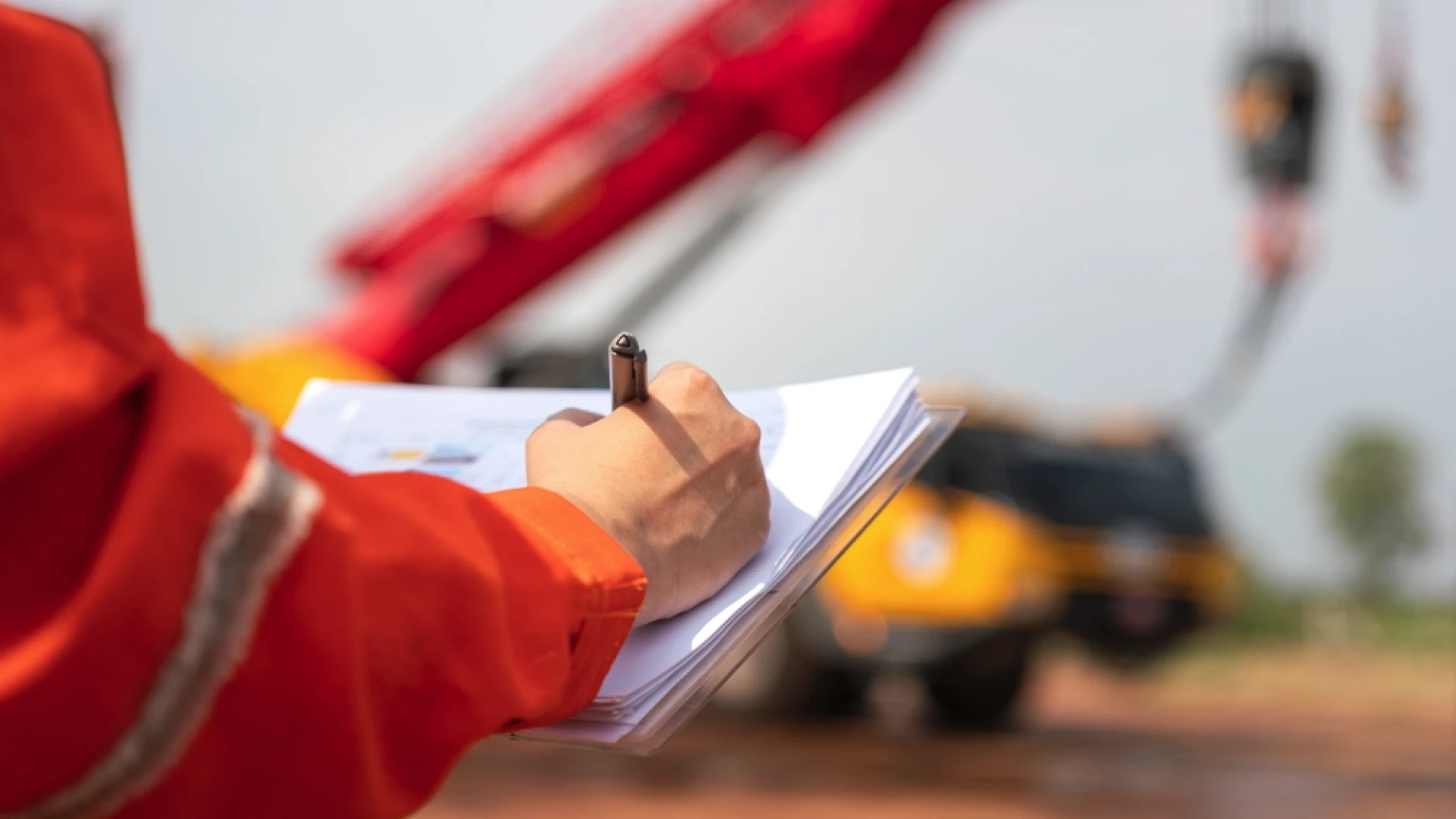
Construction implementation projects represent the most critical phase where assumptions made during the design stage are tested against real site conditions. Geological uncertainties, ground behavior, groundwater conditions, and method-related technical risks that arise at this stage directly affect both the safety and economic success of a project. Therefore, technical risk management and field geology services must be considered integral components of the construction implementation process.
The Concept of Technical Risk in Construction Implementation
Technical risk refers to adverse conditions arising from the incompatibility of assumed designs, methods, or parameters with actual site conditions in a construction project. These risks affect not only structural safety but also cost, schedule, and contractual obligations. Construction risks often stem from details that cannot be fully anticipated in design documents.
- Ground conditions differing from initial assumptions
- Sudden changes in groundwater levels
- Inadequate excavation and support methods
- Loss of slope stability during construction
Early identification and management of such risks prevent irreversible damage and cost escalation.
The Role of Field Geology Services
Field geology ensures that desk-based surveys and designs are verified under real site conditions. Active involvement of geologists and geotechnical engineers during construction enables real-time evaluation of ground-related uncertainties.
Field geology is one of the most important engineering disciplines bridging the gap between design assumptions and actual ground conditions.
Through on-site observations, examination of excavation faces, and mapping of discontinuities, design decisions can be revised when necessary.
Management of Geotechnical Uncertainties
Geotechnical uncertainties are among the most common sources of risk in construction implementation projects. Geotechnical assessment processes should rely not only on laboratory results but also on observed field behavior.
- Updating slope stability analyses with site data
- Reassessing the need for ground improvement
- Optimizing foundation systems based on construction conditions
This approach enhances safety while reducing costs arising from overly conservative designs.
Slope Stability and Excavation Safety
Slope stability issues encountered during excavation pose serious occupational safety risks. Applications involving deep excavations and hillside terrain require continuous monitoring and evaluation.
Site Observations and Immediate Intervention
Crack formation, block falls, or deformations on slope faces should be treated as early warning signs. With field geology services, rapid and accurate interventions can be implemented.
- Revising excavation geometry
- Strengthening support systems
- Enhancing drainage measures
Groundwater and Hydrogeological Risks
Groundwater is a risk factor often underestimated in construction implementation projects but capable of causing significant consequences. Sudden inflows adversely affect excavation stability and reinforced concrete quality.
Hydrogeological assessments, when integrated with field geology, deliver more effective outcomes. The design and implementation of drainage systems should be based on these assessments.
Risk-Based Approach in Implementation Projects
In modern construction projects, technical risks are addressed within a systematic framework. A risk-based approach enables prioritization based on the probability and impact of potential problems.
- Identification of critical risks
- Probability and impact analysis
- Definition of preventive and corrective actions
This process yields more effective results when carried out in conjunction with project management disciplines.
Integration of Technical Risks with Project Management
Project management ensures that technical risks are considered not only from an engineering perspective but also in terms of time and cost. Work schedules should be flexibly structured to account for potential delays arising from site conditions.
- Reflecting site-related risks in schedules
- Early reporting of technical issues
- Supporting contractual obligations with technical data
This integration helps prevent potential disputes between contractors and employers.
Technical Reporting and Legal Processes
Technical issues encountered in construction implementation projects often become subjects of legal proceedings. In this context, technical reports and expert opinions are of great importance.
Accurate and impartial technical reporting is one of the strongest foundations of a project in legal processes.
Field geology observations and technical analyses ensure that these reports are grounded in scientific and engineering principles.
Long-Term Safety and Durability
Technical decisions made during the construction phase directly influence the long-term performance of a structure. Engineering geology and technical risk management safeguard not only the construction process but also the operational life of the asset.
In conclusion, technical risk management and field geology services in construction implementation projects are indispensable for delivering safe, economical, and sustainable projects. This interdisciplinary approach transforms uncertainties into manageable factors, creating a predictable project environment for both investors and contractors.