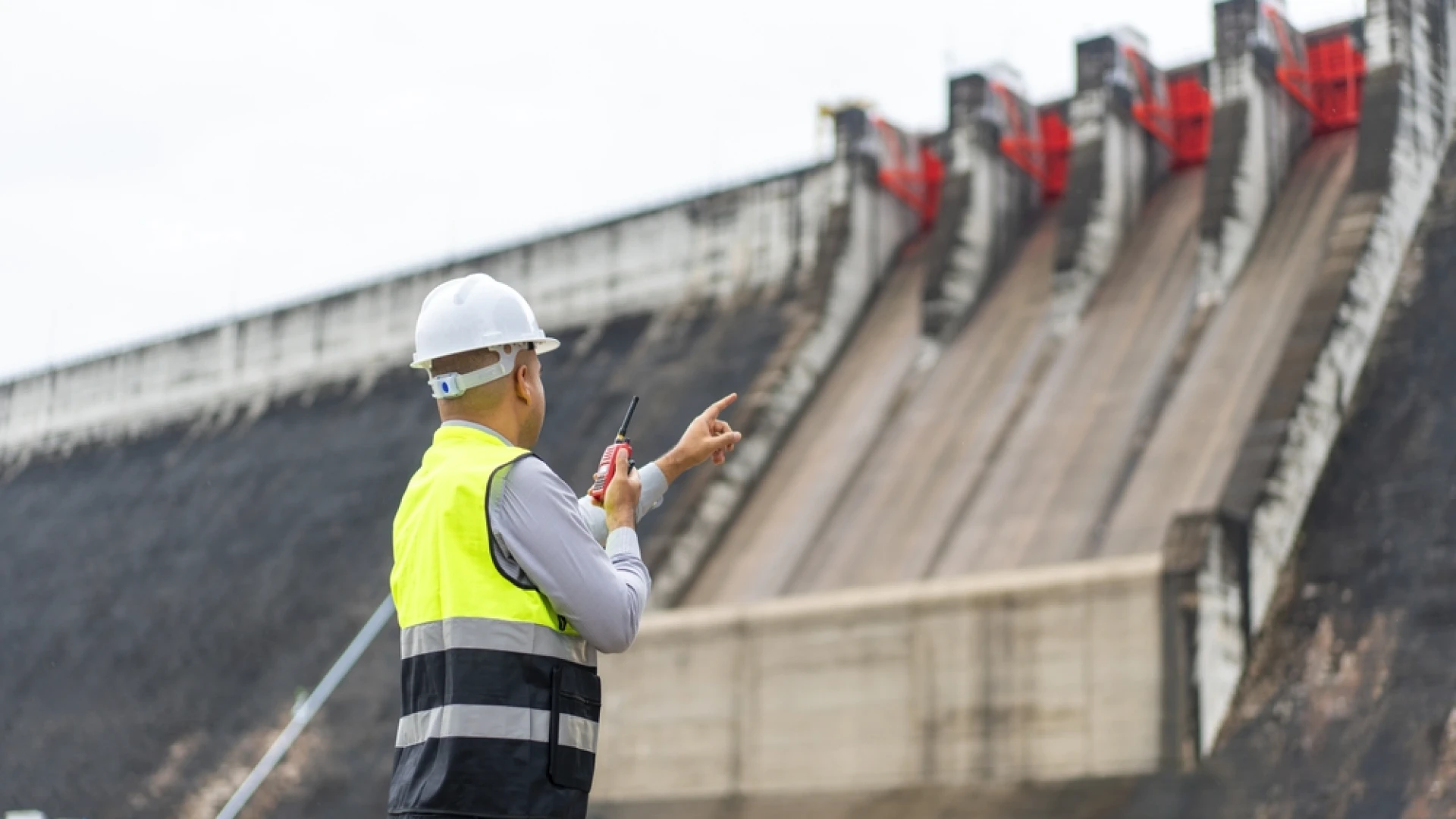


In recent years, infrastructure and energy projects have come under significant cost pressure due to rising global material prices, supply chain disruptions, increasing energy costs, and uncertainty in financing conditions. Especially for long-term and capital-intensive investments, this pressure affects not only budgets but also project feasibility and investment decisions. In this context, rising costs in infrastructure and energy projects necessitate questioning traditional engineering approaches and adopting more holistic, data-driven solutions.
Main Drivers of Rising Costs
To manage cost increases effectively, it is first necessary to clearly identify the dynamics behind them. The factors driving costs upward in infrastructure and energy projects are not only technical but also operational and managerial.
- Fluctuations in global raw material and energy prices
- Delays and uncertainties in supply chains
- Increasingly challenging geological and topographic conditions
- Rising environmental and social impact requirements
- Higher financing costs
When these factors converge, traditional designs based on excessive safety margins become unsustainable, making cost-effective engineering solutions essential.
Strategic Importance of New Engineering Approaches
Contemporary engineering approaches focus not only on technical adequacy but also on economic efficiency. Within this framework, cost optimization has become a parameter that must be addressed at the very beginning of the project life cycle rather than at the final design stage.
Modern engineering systematically reveals ways to reduce costs without compromising safety through analysis and modeling.
This understanding enables the quantification of risks, comparison of alternative scenarios, and data-driven decision-making in infrastructure and energy projects.
The Role of Detailed Surveys and Preliminary Studies
One of the most effective tools against rising costs is conducting detailed surveys at an early stage. Topographic surveys, geological and geotechnical investigations, and hydrological analyses minimize site-specific uncertainties.
- Prevention of unnecessary excavation and fill volumes
- Foundation and slope designs tailored to ground conditions
- Realistic sizing of hydraulic structures under actual loads
Although these studies may appear to increase initial costs, they significantly reduce revisions, delays, and additional construction expenses during implementation.
Computer-Aided Analysis and Modeling
Computer-aided modeling lies at the core of new engineering approaches. Hydraulic, hydrological, and geotechnical models enable rapid and reliable evaluation of different design alternatives.
Hydraulic and Energy Modeling
Flow continuity, flood scenarios, and reservoir operation strategies in energy projects are analyzed using advanced hydraulic models. Through these analyses:
- Spillways and diversion structures are designed more economically
- Energy production calculations become more realistic
- Costs arising from overdesign are reduced
Geotechnical and Structural Optimization
Critical issues such as slope stability, liquefaction risk, and foundation behavior are evaluated through numerical geotechnical models. This approach:
- Produces solutions requiring less ground improvement
- Reduces material and labor costs
- Optimizes the balance between safety and economy
New Approaches in Feasibility Studies
In an environment of rising costs, feasibility studies must evaluate not only the viability of an investment but also its performance under different scenarios. Sensitivity analyses and risk-based scenarios therefore come to the forefront.
Modern feasibility studies emphasize the following elements:
- Comparison of alternative designs and technologies
- Different financing and cash flow scenarios
- Long-term analysis of operation and maintenance costs
Project Management and Process Optimization
Technical solutions alone cannot deliver expected benefits unless supported by an effective project management approach. Under rising cost pressure, processes must become more transparent and controllable.
- Work schedule preparation and continuous monitoring
- Management of procurement and contractual risks
- Early identification of site-related issues
- Documentation for technical and legal processes
This approach reduces indirect costs arising from delays while strengthening trust among stakeholders.
Long-Term Resilience and Sustainability
New engineering approaches consider not only current costs but the entire life cycle of a project. Operation, maintenance, and rehabilitation costs constitute a significant portion of total investment expenditure.
Therefore, design decisions in infrastructure and energy projects should be shaped by long-term resilience and performance goals rather than short-term savings. New engineering approaches in infrastructure and energy projects offer a sustainable way forward for investors and public authorities in the face of rising costs.